Diablo: Dawn of Hatred #4 — Cullen Bunn and Daniele Serra Close the Loop on Light and Shadow
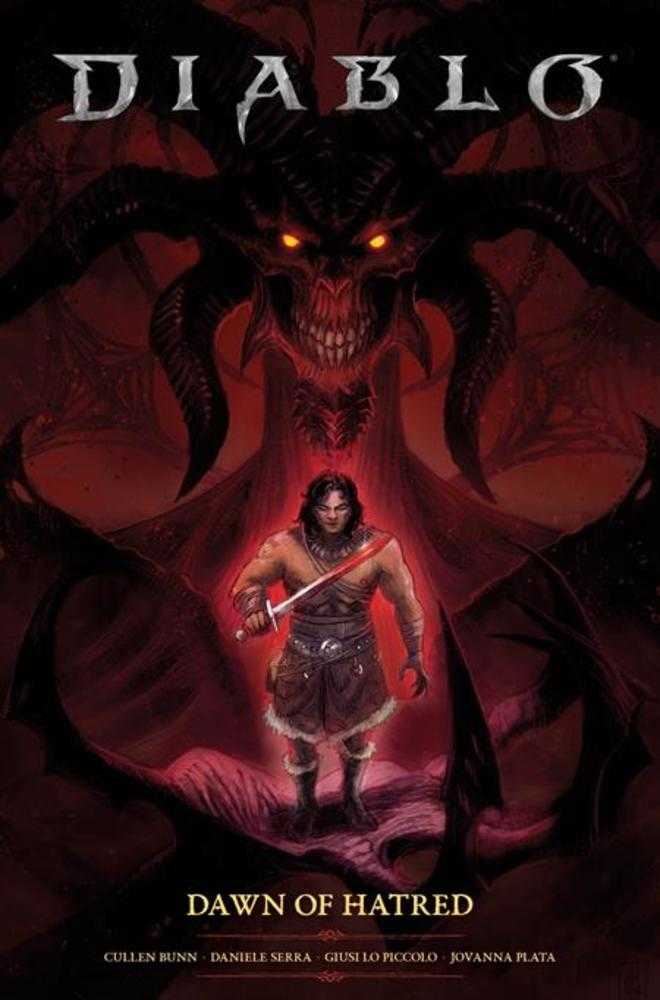

Cullen Bunn and Daniele Serra bring Diablo: Dawn of Hatred to its conclusion. As Derris approaches Akarat, the cost of the Light reveals its darkest truths. Abigail Harding’s cover captures the tension of this final chapter.
There is a specific kind of pull that comes from a creative team that understands the weight of their own universe. Cullen Bunn and Daniele Serra have spent this miniseries building a world where holiness isn’t a gift but a burden, and in the final chapter of Diablo: Dawn of Hatred, they aren’t just tying up loose ends—they’re pulling on the threads that hold the entire narrative together. This is the drop that rewards every single page that came before it.
For those who have been following Derris, the journey has been defined by sacrifice and the relentless pursuit of the Light. But as he and Vrexia draw nearer to Akarat, the premise shifts from a simple quest into something far more unsettling. The closer you get to the source of purity, the more you realize how much darkness it leaves behind in its wake. It’s a thematic pivot that feels both inevitable and shocking, turning the entire series into a meditation on what we’re willing to destroy in the name of salvation.
What makes this final issue so compelling is the ambiguity Bunn introduces. We’ve seen the crusade from the outside, but now we’re being asked to look at the architect himself. Was Akarat’s path a misunderstanding of ancient teachings, or was the corruption woven into the plan from the very beginning? Daniele Serra and the coloring team of Giusi Lo Piccolo and Jovanna Plata translate this tension into visuals that feel heavy, oppressive, and utterly immersive. You can feel the dust, the blood, and the doubt in every panel.
If you’ve been on the fence about jumping in, the ending of this run is the perfect place to catch up. But if you’re already invested, this is the book that reframes everything you thought you knew about Derris’s crusade. Abigail Harding’s cover art for the first print variant perfectly captures the mood: a figure caught between divine radiance and the shadows it casts. It’s a striking visual promise for the final confrontation.
A quick insider note: keep an eye on the variant market for this one. Abigail Harding’s work has a distinct, painterly quality that stands out on the shelf, and since this is a finite series, the first print variants tend to move quickly once the dust settles. Trust me on this one—if you’re grabbing the issue, grab the Harding cover. It’s the one that’s going to look best sitting on your shelf long after you’ve turned the last page.